Dental Crowns Oxnard CA: A Simple Solution for Complex Tooth Damage

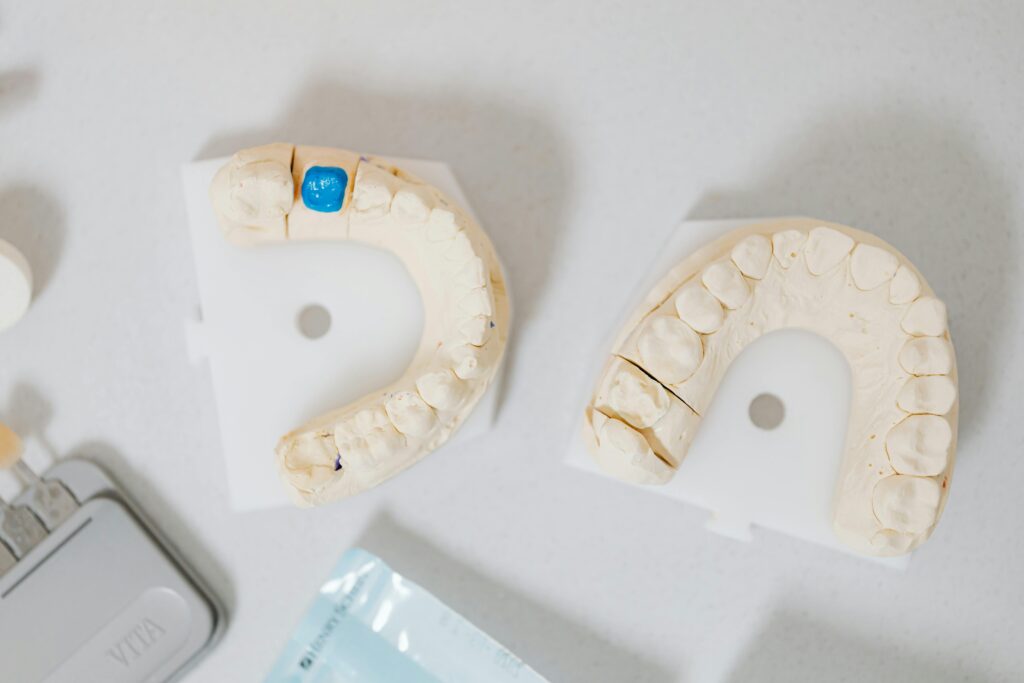
A damaged tooth rarely stays simple for long. What starts as a small crack, a deep cavity, or a worn-down biting surface can quickly turn into pain, sensitivity, and a much bigger restorative problem. That is why crowns remain one of the most dependable tools in modern dentistry. They do not just patch a tooth. They reinforce it, protect it, and often restore a patient’s ability to chew comfortably and smile without thinking twice.
For patients searching for Dental Crowns Oxnard CA, the real question is usually not whether crowns exist or what they are called. The real question is whether a crown is the right answer for a specific tooth, and if so, what kind of result they can expect. That answer depends on the amount of damage, the location of the tooth, bite forces, gum health, habits like clenching, and the patient’s priorities around aesthetics, longevity, and cost.
A crown sounds simple on paper. In practice, it is one of those treatments where details matter. A well-planned crown can last many years and feel almost unremarkable, which is exactly what most people want. A poorly timed or poorly designed crown can create a string of frustrations, from lingering sensitivity to bite issues to gum irritation. The difference often comes down to diagnosis, preparation, material selection, and careful follow-through.
When a filling is no longer enough
Most people are familiar with fillings because fillings handle common decay well. But there is a point where a filling stops being the most predictable option. If too much natural tooth structure is gone, the remaining walls can become thin and vulnerable. Under daily chewing pressure, especially on molars, that tooth may fracture.
This is where crowns shine. A crown covers the visible portion of the tooth above the gumline, creating a protective shell over what remains. Think less in terms of “covering up” a problem and more in terms of redistributing force. A weakened tooth often fails because it cannot handle the stress placed on it. A crown can change that equation.
A dentist may recommend a crown after a root canal, for a large broken filling, for a cracked tooth, or when decay has hollowed out so much of the tooth that a filling would act like a temporary compromise rather than a durable repair. Crowns are also used for cosmetic and structural reasons, such as reshaping severely worn teeth or improving the appearance of a tooth that is badly discolored or misshapen.
In day-to-day clinical reality, many patients delay treatment because the tooth is “not hurting that much.” That can be risky. Teeth do not always give dramatic warning signs before they split. It is common to see a patient who managed a cracked tooth for months, only to bite into something ordinary, a sandwich crust, a tortilla chip, a piece of toast, and suddenly lose a cusp. What might have been a straightforward crown becomes a more complicated restoration, or worse, an extraction.
What a crown actually fixes
A crown does several jobs at once. It rebuilds lost anatomy, restores function, protects fragile enamel and dentin, and seals the tooth from further breakdown. On front teeth, it can also improve appearance in a way that feels natural rather than obvious. On back teeth, its most valuable role is often strength.
The best crown cases are not always Dental Crowns Oxnard CA the most dramatic-looking ones. Sometimes the tooth still looks decent to the patient, but the underlying structure is compromised. A large old silver filling may have held for 20 years, yet the surrounding tooth can be riddled with stress lines. The patient sees one dark filling. The dentist sees a tooth one hard bite away from splitting. Crowns are often recommended in that gap between how the tooth looks and how stable it really is.
There are limits, of course. A crown cannot rescue every tooth. If decay extends too far below the gumline, if the root is fractured, or if the surrounding bone support is poor, long-term success drops sharply. Good dentistry is not about putting crowns on every compromised tooth. It is about knowing when a crown offers a strong future and when another path makes more sense.
The kinds of damage that often lead to crowns
Certain patterns show up again and again in restorative dentistry. These are the situations where crowns frequently become the most sensible option:
- Large cavities that weaken the remaining tooth
- Cracked or fractured teeth
- Teeth treated with root canal therapy
- Severe wear from grinding or acid erosion
- Old fillings that are failing or breaking apart
Even within those categories, judgment matters. A small crack on a lower premolar and a deep fracture line running through a molar are not the same problem. Two teeth can both be “broken” and require very different approaches.
The process, from evaluation to final cementation
Patients often imagine crown treatment as a single event, but it is really a sequence. The first phase is diagnosis. That includes an exam, X-rays, bite assessment, and a close look at the amount of healthy tooth still available. If the nerve is inflamed, if decay is hiding between teeth, or if a crack extends in an unfavorable direction, the treatment plan may need to change.
Once the tooth is deemed restorable, the preparation appointment begins with reshaping the tooth so the crown can fit over it properly. This step is precise. Too little reduction leaves no room for durable material and can make the final crown look bulky. Too much reduction removes valuable structure that can never be put back. Skilled tooth preparation is conservative but intentional.
After the tooth is shaped, impressions or digital scans are taken. Many offices now use digital scanning, which can be more comfortable than traditional impression material and can provide very accurate data when used well. A temporary crown is usually placed while the final crown is made in a lab, unless the office offers same-day milling for selected cases.
Temporary crowns are not glamorous, but they matter more than patients realize. A good temporary protects the tooth, keeps it from shifting, preserves gum contour, and gives useful feedback about bite and shape. If a temporary keeps coming off, feels high, or traps food, that is worth reporting. Those issues can hint at underlying fit or bite concerns that should be corrected before the final crown is cemented.
When the permanent crown returns from the lab, the dentist checks its margins, contact points, shade if visible in the smile line, and bite. This is not a rubber-stamp appointment. Tiny changes can make a big difference in comfort. A crown that is microscopically too high can leave a patient feeling like that tooth hits first every time they chew. Left unchecked, that can create soreness in the tooth, jaw fatigue, or even fracture risk.
Choosing the right material
One of the most common questions patients ask is what the crown will be made of. The answer is not one-size-fits-all. Material choice depends on strength requirements, aesthetics, available space, bite pattern, and where the tooth sits in the mouth.
Porcelain and ceramic crowns are popular because they can look very natural, especially on front teeth and visible premolars. Modern ceramics have improved significantly and can offer both beauty and strength. Zirconia, in particular, has become a go-to option for many back teeth because of its toughness and durability. There are also porcelain-fused-to-metal crowns, which have been used for many years and can still be appropriate in certain cases. Full gold crowns are less common now for cosmetic reasons, but in the right patient they can be remarkably long-lasting and kind to opposing teeth when designed properly.
What matters most is not chasing whatever sounds newest. It is matching the material to the job. A patient with heavy nighttime grinding may love the look of a delicate cosmetic ceramic, but if that material is not ideal for their bite, aesthetics alone should not drive the decision. On the other hand, a front tooth crown that is strong but too opaque or flat-looking may technically function yet still disappoint the patient every time they smile in a mirror.
This is where an experienced restorative dentist earns trust, by balancing competing priorities instead of pretending every option is equal.
Why molars and front teeth are different crown cases
Not all crowns are trying to solve the same problem. A molar crown usually has to withstand intense vertical force and occasional side-loading during chewing. Its contours need to fit the bite accurately and allow the patient to clean around it. Strength and function dominate the planning.
A front tooth crown is more demanding aesthetically. Shape, translucency, surface texture, edge design, and gum symmetry all become important. Patients notice front teeth in bright sunlight, in photographs, and at conversational distance. Even a technically acceptable crown can feel “off” if the color is too uniform or the length differs subtly from neighboring teeth.
There is also an emotional difference. People often tolerate a little adjustment period with a molar because nobody sees it. They are far less forgiving with a front tooth, especially if it replaced a tooth they were already self-conscious about. In those cases, photography, shade mapping, and communication with the lab become especially valuable.
Crowns after root canal treatment
Root canal therapy removes infected or inflamed tissue from inside the tooth. That can save a tooth beautifully, but the tooth often becomes more brittle afterward, especially if a large amount of structure was already lost to decay or old restorations. A crown is commonly recommended to reinforce it.
Patients sometimes wonder why the tooth needs “more work” once the pain is gone. The reason is practical. The root canal addresses internal disease. The crown addresses external strength. One treats infection or inflammation, the other helps prevent structural failure.
There are exceptions. Some front teeth with minimal loss of structure may not require full-coverage crowns after root canal therapy. But many back teeth do, particularly molars that take the brunt of chewing. Skipping the crown can save money in the short term and create a much larger problem later if the tooth fractures beyond repair.
What patients usually feel, and what they should not ignore
A crown procedure is generally very manageable, but there are normal sensations and there are warning signs. Mild soreness around the gums for a day or two is common after the preparation appointment. Temporary sensitivity to cold can happen, particularly if the nerve in the tooth was already a bit irritated before treatment. The temporary crown can feel slightly different from a natural tooth, which is expected.
What should not be ignored is persistent pain on biting, throbbing that worsens over time, a crown that feels obviously too tall, or a rough edge irritating the tongue or cheek. Patients also sometimes notice floss shredding between the crown and the neighboring tooth. That can suggest an overhang, open margin, or rough contact area that deserves attention.
One practical point that helps many patients: the bite can feel “almost right” and still be wrong enough to cause trouble. If something feels off after a crown is placed, it is worth a follow-up adjustment. A few minutes in the chair can prevent weeks of discomfort.
Longevity depends on more than the crown itself
People often ask how long crowns last, and the honest answer is that there is no single number. Many crowns last well over a decade. Some last much longer. Others fail earlier because the issue is not the crown material at all, but what happens around or under it.
Decay at the margin is a common reason crowns need replacement. If plaque accumulates near the gumline and home care is inconsistent, bacteria can attack the natural tooth structure where the crown ends. Grinding is another major factor. A beautifully made crown can chip, loosen, or place too much stress on the tooth beneath it if nighttime clenching goes unaddressed.
The supporting tooth matters as much as the crown sitting on top of it. If the foundation is weak, the restoration is only as reliable as what it is bonded or cemented to. That is why treatment planning sometimes includes a build-up, a post in selected root canal cases, or even crown lengthening when more stable tooth structure needs to be exposed above the gumline.
Patients looking into Dental Crowns Oxnard CA should not focus only on the visible restoration. They should ask about the condition of the remaining tooth, the bite, and the long-term maintenance plan.
A few habits that protect a new crown
Crowns are strong, but they are not indestructible. The patients who get the best service life from them usually follow a handful of practical rules:
- Brush thoroughly at the gumline where the crown meets the tooth
- Floss daily, using gentle technique rather than snapping downward
- Wear a night guard if grinding or clenching is part of the picture
- Avoid using teeth to open packaging or bite non-food objects
- Keep recall visits so small issues are caught early
These points may sound basic, but they are the difference between a restoration that quietly does its job for years and one that becomes an avoidable repair case.
Cost, value, and the bigger financial picture
Dental crowns are not the least expensive treatment option, and patients are right to ask what they are paying for. The fee reflects more than the material alone. It includes diagnosis, tooth preparation, impression or digital scanning, temporary fabrication, laboratory work or in-office milling, fitting, bite adjustment, and the clinician’s judgment in designing the case.
The more useful question is often not “Why does a crown cost more than a filling?” but “What is the cost of postponing a crown when a tooth clearly needs one?” If a weakened tooth breaks further, treatment can escalate fast. A crown may turn into a root canal and crown. In some cases, it becomes an extraction followed by an implant or bridge, both of which are usually far more costly and time-intensive.
That does not mean every borderline tooth should be crowned immediately. It means decisions should be made with an honest understanding of risk. Dentistry is full of timing decisions. Good timing tends to preserve options. Bad timing often removes them.
What to look for in a crown provider
For patients comparing providers, technical skill matters, but so does communication. A good crown experience starts with a clear explanation of why the tooth needs coverage, what alternatives exist, what material is recommended, and what limitations to expect.
In a place like Oxnard, where patients have access to a range of general and specialty dental offices, it helps to look for a practice that pays attention to fit, bite, and follow-up. Crowns are common, but they should never feel assembly-line. Small details, whether the office uses high-quality labs, takes time with shade matching, or rechecks the bite after numbness wears off, often predict the overall quality of care.
It is also reasonable to ask direct questions. How often does the office do crown work? Do they use digital scans? What do they recommend for patients who grind? How do they handle a crown that needs adjustment after placement? Straight answers usually signal a practice that is comfortable with restorative dentistry and realistic about aftercare.
The emotional side of repairing a tooth
One aspect of crown treatment does not get enough attention: relief. Not dramatic relief in every case, but the quiet kind. Patients who have been chewing on one side for months, avoiding cold drinks, or worrying that a tooth might break during dinner often feel a sense of normalcy return after a successful crown. They stop managing around the tooth. They stop thinking about it.
That matters. Oral health is not only about avoiding infection or preserving enamel. It is also about being able to eat, speak, laugh, and get through the day without low-grade dental anxiety sitting in the background. A crown can restore that stability when used thoughtfully.
There is a particular satisfaction in seeing a tooth that looked structurally doomed become useful again. The patient may remember the crack, the temporary, the numbness, and the follow-up visit. A few months later, they usually remember only that the tooth works.
Why simplicity is sometimes the best answer
Dental crowns are often described as routine, but routine should not be mistaken for trivial. The reason crowns remain such a trusted treatment is that they solve a complicated problem in a practical way. Teeth take a tremendous amount of abuse over a lifetime. They crack, wear down, decay, and absorb the effects of stress, age, and habit. A crown is one of the few restorations that can truly wrap around that damage and give the tooth a second chance at stability.
For many patients seeking Dental Crowns Oxnard CA, the best outcome is not flashy. It is a crown that fits well, looks right, feels natural, and disappears into everyday life. That is the standard worth aiming for. When diagnosis is sound, materials are chosen carefully, and the final bite is refined properly, a crown can be exactly what it should be, a simple solution to a complex problem.
Omni Dental Specialty
1690 E Gonzales Rd
Oxnard, CA 93036, United States
Phone: +1 805-410-9603
FAQ About Dental Crowns Oxnard CA
What is the average cost of a crown in California?
The fee depends on the crown material, tooth condition and any additional treatment. Request an itemized estimate from Omni Dental Specialty after an examination, and confirm insurance benefits before scheduling.
How long do dental crowns last?
Longevity varies with the material, fit, oral hygiene and biting habits. Regular dental reviews help identify wear, damage or decay. A crown does not need replacement solely because it reaches a particular age.
Do teeth go bad under crowns?
Decay can develop in the remaining natural tooth, particularly near the crown margin. Brush with fluoride toothpaste, clean between teeth daily and keep dental appointments. Report new pain or looseness promptly.
Which crown is best for bruxism?
No material suits everyone. Your dentist assesses grinding, tooth position, bite forces and appearance before recommending a crown. A protective appliance may also be recommended to manage stress on the restoration.
Ends · RIVERPXSH465