The Advantages of Porcelain Dental Crowns Oxnard CA
A dental crown is one of those treatments that sounds simple until you need one. Then the questions start quickly. Will it look natural? How long will it last? Will it feel bulky? Is porcelain the right choice, or is there a stronger material? Patients asking about Dental Crowns Oxnard CA often want more than a quick explanation. They want to know how the restoration will actually function in daily life, how it will look in photographs, and whether the investment makes sense over time.
Porcelain crowns remain a popular option for good reason. When they are well planned, properly shaped, and placed with care, they can restore a damaged tooth so naturally that even the patient forgets which tooth was treated. That is not just a cosmetic benefit. It matters when you chew, speak, smile, and go Dental Crowns Oxnard CA through the day without feeling self-conscious about your mouth.
The real value of porcelain is not that it is simply white and tooth-colored. The value is that it can replicate several properties of natural enamel at once. It reflects light in a more natural way than older metal-based restorations, it can be customized for shape and translucency, and in many cases it gives patients a durable solution that blends into the rest of the smile rather than standing apart from it.
Why porcelain crowns continue to stand out
There are several materials used for crowns, and each has a place in dentistry. Gold still has advantages for certain back teeth because of its longevity and forgiving wear characteristics. Zirconia offers impressive strength. Porcelain fused to metal has served patients well for decades. Even with those options, porcelain remains especially appealing when appearance matters and when the surrounding teeth have natural variation in color and brightness.
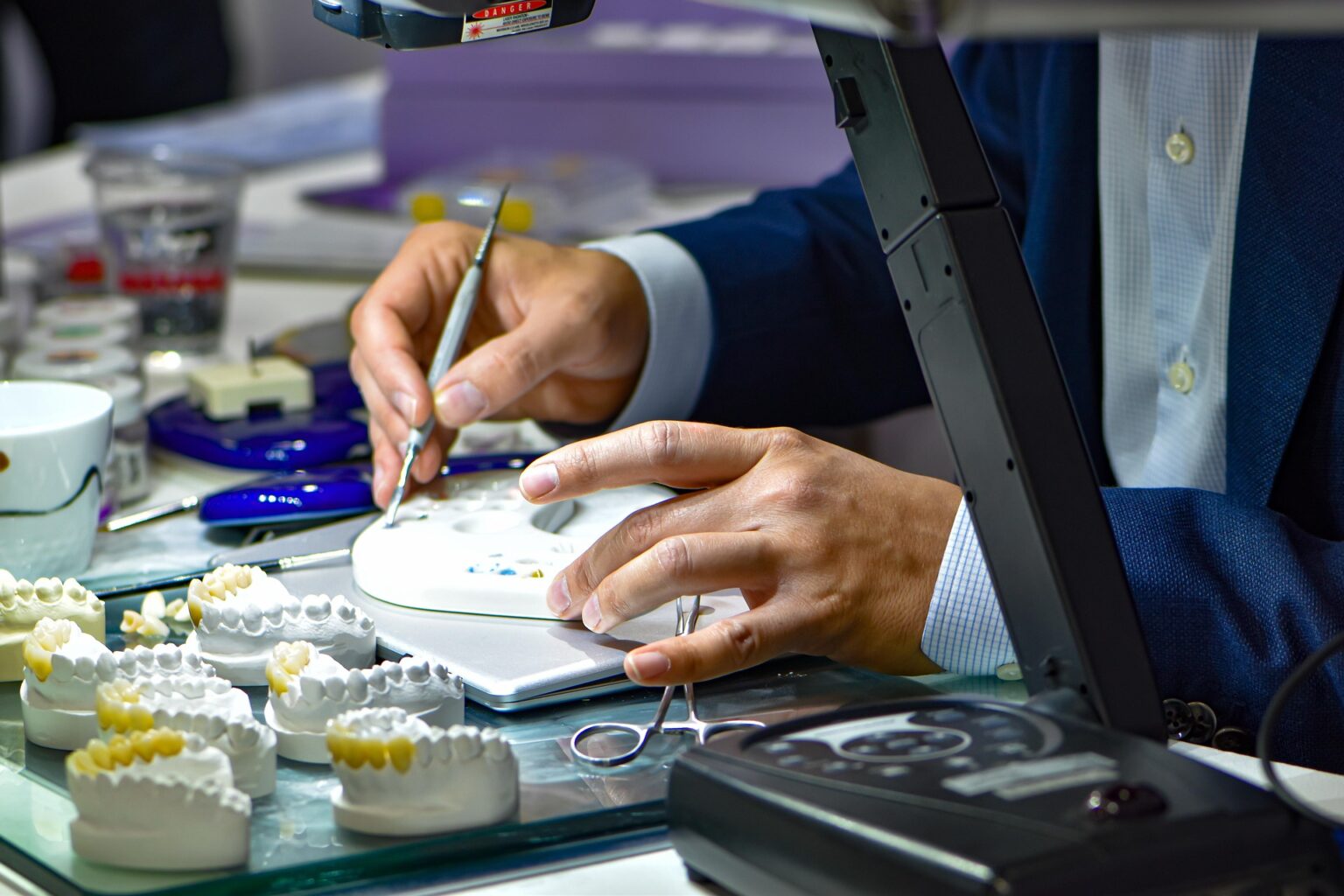
A well-made porcelain crown does not look flat or chalky. Skilled dental labs layer and contour the material to imitate the way real teeth behave under light. Natural teeth are not one solid shade. They are usually brighter in some areas, more translucent near the edges, and subtly textured on the surface. Porcelain can capture those details. That level of realism becomes especially important in the front of the mouth, where even a small mismatch is easy to notice.
For many patients in Oxnard, aesthetics are not vanity. They are practical. People work in sales, healthcare, education, hospitality, and countless jobs where face-to-face interaction matters. They speak under bright office lighting, sit in meetings, or smile in family photos taken outdoors on a sunny afternoon. Crowns that look natural in one setting but artificial in another tend to bother patients more than they expect. Porcelain performs well across those situations because it handles light more like enamel does.
A strong cosmetic result without the metallic shadow
One reason patients choose porcelain over older crown designs is the absence of metal. Traditional porcelain fused to metal crowns can still function well, but over time some patients notice a gray line near the gumline or a slight darkening beneath the porcelain. That is especially frustrating when the crown was placed on a visible tooth.
All-porcelain crowns avoid that issue. There is no underlying metal coping creating a shadow. On patients with thinner gums or a high smile line, this can make a meaningful difference. The gum tissue also tends to frame the crown more naturally when the restoration is carefully shaped and polished.
A patient who had fractured an upper front tooth once described the relief this way: she was not trying to get a perfect Hollywood smile, she just wanted to stop thinking about that one tooth every time she spoke. That is a common goal. People usually want the crown to disappear into the smile, not announce itself.
Porcelain can be matched with remarkable precision
Shade matching is part science and part trained observation. A strong porcelain crown is not simply ordered as "white." Dentists evaluate hue, value, translucency, neighboring tooth color, and the patient’s skin tone and lip line. If the restoration is in the esthetic zone, photographs and lab communication often matter omnidentalspecialty.com Dental Crowns Oxnard CA as much as the tooth preparation itself.
This is where porcelain really earns its reputation. It allows for nuance. If a patient’s surrounding teeth are bright but not bleached, the crown can be matched to that. If the adjacent teeth have subtle warmth, faint translucency, or minor character lines, those features can often be recreated. The final result tends to look more believable than a monolithic, overly opaque crown.
That said, matching can become more complex if someone is planning whitening. A practical point many patients do not realize is that crowns do not bleach like natural teeth. If whitening is likely, it usually makes sense to do that before the final crown shade is selected. This is a small planning step, but it prevents the common problem of a restoration that no longer matches a newly brightened smile.
Function matters just as much as appearance
The best crown is not merely attractive. It must fit the bite properly, protect the underlying tooth, and allow comfortable chewing. Porcelain crowns can meet all of those goals when they are designed with enough thickness, bonded or cemented appropriately, and adjusted carefully.
A damaged tooth often reaches the point of needing a crown because its structure is already compromised. Large fillings, cracks, root canal treatment, or extensive wear can leave the remaining tooth vulnerable. A crown acts as a protective shell. It covers the prepared tooth and helps distribute biting forces more evenly. That protection can keep a weakened tooth from splitting further or becoming painful under pressure.
Patients often notice the benefit most when chewing returns to feeling normal. Before treatment, many people unconsciously avoid one side of the mouth. They cut food differently, chew more slowly, or stop eating certain textures because the tooth feels unstable. A properly fitted porcelain crown can restore confidence in everyday function. That may sound modest, but anyone who has spent months favoring one side knows how much relief it brings.
The fit of the crown affects the life of the tooth
When discussing Dental Crowns Oxnard CA, patients often focus first on color, which is understandable. Yet from a dentist’s perspective, marginal fit is just as important. The edge where the crown meets the tooth must be precise. If the margin is rough, open, or difficult to clean, plaque accumulates more easily and the risk of decay around the crown increases.
Porcelain crowns made with modern digital scanning and high-quality lab work can achieve excellent fit. Digital impressions have reduced some of the distortion problems that used to happen with conventional impression materials. That does not guarantee perfection by itself, but it improves consistency and communication between the dental office and lab.
A well-fitting crown supports gum health too. Gums do not respond well to bulky, over-contoured restorations. When a crown is shaped correctly, floss can pass through with a normal contact, brushing remains straightforward, and the tissue around the tooth has a better chance of staying calm and pink rather than inflamed and tender.
Comfort is often better than patients expect
Many people picture a crown as a cap that will feel foreign or oversized. In reality, the final restoration should feel surprisingly natural after a brief adjustment period. Most patients stop noticing it quickly if the bite is correct and the contours are refined.
The temporary crown phase often creates more awareness than the final porcelain one. Temporaries can feel rougher, weaker, or slightly less exact, which is normal. Once the permanent crown is seated, polished, and adjusted, patients frequently comment that it feels more like their own tooth than they expected.
This comfort depends on details that are easy to overlook. Contact with neighboring teeth must be snug but not excessive. The biting surface must meet the opposing tooth in the right places. The shape near the tongue and cheek must support speech and chewing without trapping food. These are not dramatic features, but they determine whether a crown fades into the background or becomes an ongoing annoyance.
Porcelain is a strong choice for many, but not every case
One of the most useful conversations a dentist can have with a patient is not about what material is best in general, but what material is best for that specific tooth. Porcelain crowns have many advantages, but good treatment planning includes honesty about limitations.
For example, someone with severe nighttime grinding may put exceptional stress on a crown. Porcelain can still be used, but the case may require adjustments in design, material selection, and long-term protection with a night guard. In some high-force situations, another material may be recommended for a back tooth where visibility is minimal and strength is the top concern.
Likewise, if a tooth has very little remaining structure, the dentist has to consider retention, ferrule effect, and whether the crown alone will be enough to support the tooth long term. The best crown material in the world cannot rescue a tooth that lacks a sound foundation.
That is why the advantages of porcelain should always be viewed through clinical judgment rather than marketing promises. The right material in the wrong case is still the wrong choice. The right material in the right case can serve beautifully for many years.
Common reasons patients in Oxnard choose porcelain
Patients rarely request porcelain crowns for a single reason. Usually several concerns overlap. They want strength, but they also want the restoration to disappear when they smile. They want long-term protection, but they do not want a result that looks artificial.
The most common advantages patients mention include:
- A natural appearance that blends with surrounding teeth.
- No visible metal line at the gumline.
- Reliable protection for a weakened or broken tooth.
- Better confidence when smiling, speaking, and eating.
- A custom fit that can feel very close to a natural tooth.
Each of these points sounds simple, yet each reflects a real everyday benefit. People do not judge a crown while sitting in the dental chair. They judge it while ordering lunch, laughing with friends, or seeing themselves unexpectedly in a mirror.
The treatment process is often more straightforward than expected
Crown treatment has a reputation for being complicated, but for many patients it is a very manageable sequence. The first step is evaluation. The dentist examines the tooth, checks the bite, and determines whether the tooth can be predictably restored. X-rays help reveal decay, fracture patterns, previous fillings, and root condition.
If a crown is appropriate, the tooth is shaped to create room for the material and to establish a form the crown can grip securely. Impressions or digital scans capture the prepared tooth and surrounding bite. A temporary crown is usually placed while the final restoration is fabricated. At the delivery visit, the dentist checks fit, contacts, shade, contour, and bite before cementing or bonding the crown.
Patients tend to have the best experience when they know what to expect after each phase:
- Mild soreness at the gumline for a day or two is common after preparation.
- Temporary crowns need a bit of caution, especially with sticky foods.
- The final crown may feel slightly different at first, then normal within days.
- Any bite that feels too high should be adjusted promptly, not tolerated.
- Daily brushing and flossing remain essential around the crowned tooth.
That last point deserves emphasis. A crown cannot decay, but the tooth underneath it still can. The margin where crown meets tooth must stay clean. Porcelain is durable, not maintenance-free.
Longevity depends on habits more than many people realize
Patients often ask how long porcelain crowns last. The most responsible answer is that lifespan varies. Many crowns serve well for a decade or longer, and some last much longer than that. Others fail earlier because of decay at the margin, fracture, heavy grinding, poor oral hygiene, or changes in the supporting tooth.
Daily habits influence lifespan in practical ways. Using teeth to open packages, crunching ice, chewing pens, or ignoring clenching can shorten the life of any crown. So can postponing cleanings for years at a time. On the other hand, good hygiene, regular checkups, and early attention to small issues tend to protect the investment.
This is one area where patient expectations matter. A crown is not a permanent exemption from future dental care. It is a high-value restoration that works best as part of ongoing maintenance. Most problems do not appear overnight. They develop gradually, which means they can often be caught early when patients stay consistent with follow-up visits.
Porcelain supports conservative smile improvement
Not every patient wants or needs veneers, orthodontics, or multiple cosmetic procedures. Sometimes one damaged, discolored, or misshapen tooth is the thing disrupting the smile. In those cases, a porcelain crown can offer a conservative way to improve appearance while also solving a structural problem.
Consider a tooth with a large old filling that has darkened over time and cracked along the edge. Replacing the filling alone may not provide enough strength. Extracting the tooth would be excessive if the root and surrounding bone are healthy. A porcelain crown fills the middle ground. It preserves the tooth, reinforces it, and improves the visible appearance in one treatment.
This dual role is part of what makes porcelain crowns so useful. They are not purely cosmetic, and they are not purely functional. They bridge the two in a way few restorations do.
Gum response and overall smile harmony
A crown is judged not just by the tooth itself but by how it sits within the broader smile. The gumline, the neighboring teeth, the lip position, and the facial proportions all affect the result. Porcelain crowns can be contoured to support this harmony in a very refined way.
If a crown is too square when the adjacent teeth are more rounded, it looks out of place. If it is too bright, it draws the eye immediately. If it is too long or too short relative to the neighboring tooth, symmetry suffers. Skilled planning addresses these details before the crown is final. Temporary restorations can also provide useful feedback on shape and length, especially in visible areas.
Patients often think they are reacting only to color, but shape is usually just as important. A crown with excellent shade but poor contour still looks artificial. Porcelain gives enough flexibility for technicians and dentists to create restorations that fit the patient rather than forcing the patient to adapt to the restoration.
What to ask before moving forward
Choosing a crown should not feel rushed. A good discussion usually covers more than the fee and the appointment schedule. Patients should understand why the tooth needs a crown, what alternatives exist, and what the material choice means for appearance and durability.
It is also reasonable to ask whether a tooth shows signs of clenching, whether whitening should be done first, how the shade will be selected, and what follow-up is needed if the bite feels off. These are practical questions, not difficult ones. Good dentistry depends on them.
For patients researching Dental Crowns Oxnard CA, the most useful next step is often a thorough exam rather than more online reading. Teeth fail in different ways, and the treatment that makes sense for one person may be the wrong one for another. Still, if the goal is a restoration that protects a damaged tooth while preserving a natural-looking smile, porcelain remains one of the strongest options available.
A restoration that works quietly in the background
The best dental work rarely attracts attention. It simply lets a person live normally again. Porcelain crowns do that especially well when they are indicated for the case, designed with care, and maintained properly after placement.
Their advantages are easy to appreciate once you look beyond the word porcelain itself. Patients are not really buying a material. They are choosing a solution that can restore confidence, chewing ability, comfort, and appearance in a single treatment. When a crown blends into the smile and disappears from daily awareness, that is usually the clearest sign it was done well.
For many patients, that quiet success is exactly the point.
Omni Dental Specialty
1690 E Gonzales Rd
Oxnard, CA 93036, United States
Phone: +1 805-410-9603
FAQ About Dental Crowns Oxnard CA
What is the average cost of a crown in California?
The fee depends on the crown material, tooth condition and any additional treatment. Request an itemized estimate from Omni Dental Specialty after an examination, and confirm insurance benefits before scheduling.
How long do dental crowns last?
Longevity varies with the material, fit, oral hygiene and biting habits. Regular dental reviews help identify wear, damage or decay. A crown does not need replacement solely because it reaches a particular age.
Do teeth go bad under crowns?
Decay can develop in the remaining natural tooth, particularly near the crown margin. Brush with fluoride toothpaste, clean between teeth daily and keep dental appointments. Report new pain or looseness promptly.
Which crown is best for bruxism?
No material suits everyone. Your dentist assesses grinding, tooth position, bite forces and appearance before recommending a crown. A protective appliance may also be recommended to manage stress on the restoration.
Ends · RIVERPXSH465